
Roofing Contractor in Brea, CA: Honest Repairs, Re-Roofs & Tile Work
Brea roofs have a tough job. They sit through 280-plus sunny days a year, summer heat waves over 100°F, and Santa Ana gusts ripping through Carbon Canyon at 40 to 60 mph. Then they go months without rain before an atmospheric-river storm finds every weak spot at once. The tile might look fine while the felt underneath is falling apart, and you usually find out with a ceiling stain in January. Mobile Roofing Services is a local Brea roofing team that finds those problems early, explains them clearly, and fixes them with honest pricing and careful work.
We know how roofs are built in each part of Brea. Downtown bungalows near Brea Blvd often have skip sheathing and several old layers of shingles. Many Brea Hills and Country Hills tile roofs are reaching the end of their original underlayment. Olinda Ranch roofs have complicated valleys and parapet walls. For every job, from a small leak repair to a full re-roof under Title 24 and fire-zone rules, we handle permits and HOA paperwork, give you a detailed written estimate, and leave a clean job site.
- ✓Bonded roofing contractor
- ✓Fully insured for your protection
- ✓Financing available for repairs and replacements
- ✓Serving Brea and a 20-mile radius
- ✓Free quotes with detailed written estimates
- ✓Residential, commercial and emergency roofing
Request Your Free Estimate
No obligation. Fast, honest quotes.
Thank you — your request was sent!
A member of the Mobile Roofing Services team will reach out shortly. Need help now? Call (714) 862-1355.
Why Brea Homes Need a Roofer Who Knows the Area
Brea is an inland town in the foothills with fire-prone hillsides, active faults, and housing built over more than 100 years. A roofing plan that works in coastal Irvine can miss what matters here. These are the local conditions that decide how long your roof lasts and what it needs.
Heat, Sun, Santa Anas and Sudden Storms
Brea sits about 300 to 1,000+ feet above sea level at the foot of the Puente and Chino Hills, so it gets little of the ocean cooling that coastal Orange County enjoys. Summer highs reach the upper 80s to mid-90s, and heat waves push past 100°F. That steady UV dries out asphalt shingles, knocks off their granules, and blisters low-slope roofs. The underlayment under tile often fails at 20 to 30 years. Rainfall is only about 13 to 15 inches a year, and nearly all of it falls from November to March, so leaks stay hidden for months. Wet years like 2023 and 2024 brought one storm after another. Fall and winter Santa Anas lift shingles and move tiles. The 2014 La Habra M5.1 quake, centered right next to Brea, showed how easily tile and old brick chimneys crack.
A Century of Different Roof Types
Brea started as an oil town in 1917, and you can see each building era in its roofs. Bungalows and Spanish Revival homes from the 1910s to 1940s near downtown often have spaced skip sheathing and stacked shingle layers. Postwar ranch homes in central and west Brea have low pitches, patio additions with flat roofs, and sometimes two layers of shingles already. Tract homes from the 1970s to 1990s in Brea Hills, Country Hills and Glenbrook have concrete tile over felt that is now 30 to 45 years old. Olinda Ranch has complex hip-and-valley roofs. Blackstone, La Floresta and Tonner Hills are newer, but they have a lot of rooftop solar that has to be worked around.
Permits, Title 24, Fire Zones and HOAs
The City of Brea Building & Safety Division requires a permit for re-roofs and structural repairs, with inspections at the sheathing or nailing stage and at final. California code generally allows no more than two layers of roofing, so wet, damaged, shake or double-layer roofs must be torn off. Brea falls in the Title 24 climate zones that require cool-roof reflectance on steep-slope re-roofs, which limits dark colors. Carbon Canyon, Olinda Village and parts of the northern hills fall under Chapter 7A wildland-urban interface rules. Those require Class A roof assemblies, bird stops on tile roofs, and ember-resistant vents. HOAs in Olinda Ranch, Blackstone, Tonner Hills and other communities review tile profile and color before work starts.
High Home Values and Careful Buyers
Brea's median home value is typically around $1 million or more, and most residents own their homes. Homeowners here research carefully, compare bids, and care about resale value, fire safety and keeping their insurance. After State Farm and other insurers pulled back from high-fire areas, many hillside owners need proof of a Class A roof and clean gutters. Long-time owners and retirees in older tracts often want straight advice on repairing versus replacing, and financing options.
Common Roofing Problems in Brea, CA
Most Brea roof failures follow a familiar pattern: long dry heat, then wind, then a hard rain. Here are the problems we see most often, why they happen here, and the warning signs to watch for before the next storm brings them to light.
Failed Underlayment Under Concrete Tile Serious
Concrete tile can last 50 years or more, but the felt underneath does the real waterproofing, and it usually wears out much sooner. Once that felt dries out and cracks, water that gets past the tiles soaks into the decking. From the street, the roof still looks perfectly fine.
Why it's common hereMost tile roofs in Brea Hills, Country Hills and Glenbrook went on in the 1970s to 1990s, so their original felt is 30 to 45 years old. With more than 280 sunny days a year, attic heat bakes that felt until it gets brittle. Brea's dry months hide the damage, then the first atmospheric-river storm sends water through. That's why underlayment leaks spike between November and February, and why so many homeowners are surprised to learn their 'good' tile roof needs work.
Signs you'll notice- Ceiling stains after the first heavy rain of the season
- Brittle, torn or crumbling felt visible at eaves
- Musty smell in the attic
- Daylight through gaps around attic penetrations
- Water staining on rafters or sheathing
- Tiles sliding or sagging along courses
This is very common in 1970s to 1990s tracts in Brea Hills, Country Hills and Glenbrook, and it is now starting in early Olinda Ranch homes. We usually find it during pre-sale inspections or right after the season's first storm.
Our fix: We lift the tile, replace the old felt with modern underlayment, repair any damaged decking and flashing, and then reset your original tiles, replacing broken ones with matching tiles.
Santa Ana Wind Damage Serious
Strong offshore winds lift shingle edges, break their seal strips, pop off ridge caps, and push tiles out of place. Even small displacement opens a gap where rain can get in. Branches and debris blown onto the roof can also crack tiles or puncture low-slope sections.
Why it's common hereSanta Ana winds from fall through winter often gust 40 to 60+ mph through Carbon Canyon and down the hills into Brea. Shingles that the summer sun has already dried out lose their adhesive bond fast. The wind season also comes right before the rainy season, so damage from an October wind event often turns into an active leak by December. Insurers expect you to document the damage quickly.
Signs you'll notice- Shingles or tile pieces in the yard or gutters
- Lifted or creased shingle tabs
- Missing or loose ridge caps
- Tiles out of alignment
- Exposed nail heads or underlayment
- Tree limbs resting on the roof
Damage is worst in Carbon Canyon, Olinda Village, Tonner Hills and other exposed hillside and ridgeline homes. Mature eucalyptus and pine near Birch Hills and canyon lots add to the debris that hits roofs.
Our fix: We secure and replace damaged shingles, reset or replace tiles, re-seal ridge caps, photograph everything for your insurance claim, and tarp the roof right away if rain is coming.
Active Roof Leak During a Storm Emergency
An active leak means water is coming through the roof into the attic or living space right now. Every hour it goes on, insulation, drywall, framing and electrical can get wet, and mold can start growing within 24 to 48 hours.
Why it's common hereBrea gets almost all of its 13 to 15 inches of yearly rain in a few winter months, often from intense atmospheric-river storms like those in 2023 and 2024. Problems that built up over months without rain, like worn felt, cracked flashing and clogged valleys, all show up at once. Roofers are busiest right then, which makes fast response important.
Signs you'll notice- Dripping or water coming through the ceiling
- Bulging or sagging drywall
- Water running down interior walls
- Wet insulation in the attic
- Flickering lights near wet areas
- Water pooling on flat roof sections
Calls jump the first stormy week each winter. We see them across older downtown homes, mid-century ranch homes with flat patio roofs, and tile tracts with tired felt. Complex valleys in Olinda Ranch roofs are also frequent leak points.
Our fix: We do emergency tarping or temporary dry-in, find the leak's source, take photos, and then make the permanent repair once the weather clears.
Valley and Wall Flashing Leaks Moderate
Flashing is the metal that seals the joints in a roof, including valleys, chimneys, skylights, and the places where the roof meets a stucco wall or parapet. When it cracks, rusts or pulls away, water runs straight into the wall or roof framing.
Why it's common hereBrea's expansive clay soils and graded hillside lots let houses shift slightly over time, which pulls flashing away from walls. The 2014 La Habra quake cracked flashing and stucco across town. Mediterranean-style homes with many valleys and parapets have more joints that can fail, and debris from sycamore, eucalyptus and pine trees clogs valleys so water backs up under the tile.
Signs you'll notice- Stains where ceilings meet exterior walls
- Cracked stucco near roof lines
- Rusted or lifted step flashing
- Leaves packed in roof valleys
- Gaps around chimneys or skylights
- Paint bubbling on interior walls
Olinda Ranch's hip-and-valley roofs and parapets are classic cases. Older brick chimneys downtown and on hillside lots in Brea Hills, where the ground has shifted, often show separation at the roof-to-wall line.
Our fix: We replace step, counter and valley flashing, re-seal chimney and skylight joints, clear out debris, and add diverters where they help.
Cracked and Broken Tiles Minor
Concrete and clay tiles crack from impacts, people walking on them, settling, and seismic movement. One broken tile isn't a disaster, but it exposes the underlayment to UV and water and can let water into older felt.
Why it's common hereBrea has a lot of rooftop solar, and many systems are 10 to 15 years old. Solar installers, painters and satellite techs often crack tiles walking across a roof. Brea sits on the Puente Hills Thrust near the Whittier Fault, and the 2014 quake cracked tiles all over the area. Older tracts also run into discontinued tile profiles, so a small crack can turn into a matching problem.
Signs you'll notice- Visible cracks or broken corners
- Tile fragments in gutters
- Uneven or rocking tiles
- Broken tiles around solar arrays
- Exposed underlayment through gaps
- Chipped ridge or hip tiles
We see these most around solar arrays in Blackstone, La Floresta and Tonner Hills, and on older tile in Country Hills where some original profiles are no longer made. Finding salvaged tile is often part of the job.
Our fix: We replace broken tiles with matching new or salvaged pieces, check the underlayment underneath, and reset any loose courses so they lock in correctly.
Old Decking, Multiple Layers and Poor Ventilation Moderate
Many older roofs have shingles laid over earlier layers, decking that has gone soft, or spaced skip sheathing left from wood shake roofs. Add an attic without enough ventilation and shingles cook from below and wear out years early.
Why it's common hereDowntown bungalows from the 1910s to 1940s and postwar ranch homes in central and west Brea were often built with wood shake or rolled roofing and then covered later. Code allows only two layers, so many of these roofs have run out of options. When those attics reach Brea's 100°F summer temperatures, they get much hotter, which speeds up shingle aging. Some mid-century homes also have roofing materials or mastics that may contain asbestos.
Signs you'll notice- Spongy or sagging spots when walked
- Wavy roof lines
- Curling or cupped shingles
- Very hot upstairs rooms in summer
- Two or more shingle edges visible at eaves
- Few or no roof or soffit vents
This is typical around Brea Blvd, Ash St and Walnut Ave downtown, and in 1950s to 1970s ranch tracts near Arovista Park and the Brea Canyon / Lambert Road area, especially where low-slope patio additions were added.
Our fix: We do a full tear-off, add new plywood or OSB over skip sheathing, fix the ventilation balance, and handle suspect materials safely before installing the new roof.
Fire-Zone Vulnerabilities Serious
In wildland-urban interface areas, embers cause most home losses. Open tile ends, standard attic vents, wood shake, and gutters full of dry leaves all give wind-blown embers a place to land and catch.
Why it's common hereThe 2008 Freeway Complex Fire burned into Brea, Carbon Canyon and Olinda, and the 2020 Blue Ridge Fire burned in the nearby hills. CAL FIRE's updated 2024 to 2025 maps expanded Very High Fire Hazard Severity Zones in Orange County. Insurers have pulled back too, and many hillside owners have been pushed onto the FAIR Plan, so a Class A roof with ember-resistant details now affects your insurance as well as your safety.
Signs you'll notice- Open tile ends with no bird stops
- Standard mesh attic or gable vents
- Wood shake still on the roof
- Dry leaves and needles in gutters
- Insurance renewal questions about your roof
- Debris built up in valleys
This is a priority in Carbon Canyon, Olinda Village, parts of Olinda Ranch and the northern hillside tracts, where steep lots, heavy tree cover and narrow roads add risk and make the work harder.
Our fix: We upgrade to Class A roof assemblies, install bird stops and ember-resistant vents, add gutter protection, and document the upgrades for your insurance company.
Roofing Services for Brea Homes and Businesses
Whether you need a single cracked tile replaced or a full fire-zone re-roof, every job starts with an honest look at what your roof actually needs. Here's what we do, how we do it, and how each service fits Brea's homes, rules and weather.
Roof Repair
We fix leaks, wind damage, cracked tiles, failed flashing and worn shingles. We find the actual source of the problem instead of patching the stain, so a small repair doesn't turn into a big one next winter.
Our approachWe trace water paths from the attic up, check flashing and valleys, and replace damaged materials with matching products. We send photos before and after so you see exactly what we found and what we fixed.
In Brea, CAIn Brea, many repairs involve slipped tiles after Santa Anas, valley leaks on Olinda Ranch's complex roofs, and cracked tiles around solar arrays in Blackstone and Tonner Hills. Booking repairs in early fall, before the rains, helps you avoid the winter backlog.
Best for: Homeowners with a localized leak, storm or wind damage, or a roof that's mostly sound but needs targeted work to get through another few winters.
Roof Replacement ⭐ Specialty
We do full tear-off re-roofs and tile lift-and-relay projects. When underlayment or decking has failed, we replace it the right way and reuse your good tile when possible to save money and keep your roof's look.
Our approachWe tear off to the deck, replace damaged or skip-sheathed boards, install modern underlayment and new flashing, and correct ventilation. We pick cool-roof-compliant materials and file the Title 24 forms, then schedule the city's nailing and final inspections.
In Brea, CAThis is the main fix for 30- to 45-year-old tile roofs in Brea Hills, Country Hills and Glenbrook, and for double-layer shingle roofs on downtown and mid-century homes. We coordinate solar removal and reinstall, along with SCE requirements, when panels are involved.
Best for: Roofs with failed felt, more than two layers, soft decking, widespread leaks, or homeowners preparing to sell or upgrading for fire safety and insurance.
Roof Installation
We install new roofs on additions, ADUs, patio covers and other new construction. Options include asphalt shingle, concrete and clay tile, and low-slope systems, all built to current California code and Brea permit requirements.
Our approachWe help you choose materials that meet Title 24 cool-roof rules, HOA color and profile requirements, and Chapter 7A standards where they apply. Then we install the system per manufacturer specs with proper ventilation and flashing.
In Brea, CAMany Brea homeowners are adding ADUs and family rooms. We match the new roof to the existing one, including sourcing tile for older tracts where profiles have been discontinued, so the addition looks original and gets through HOA review.
Best for: Additions, ADUs, new patio roofs, or homeowners switching roof materials who want a code-compliant installation that matches the house.
Roof Inspection
We do detailed roof evaluations for leaks, real estate transactions, insurance questions and post-storm checks. You get a written report with photos, rated problems, and an honest repair-versus-replace recommendation.
Our approachWe check surface materials, flashing, valleys, penetrations, gutters and ventilation, and look at the attic for moisture and daylight. On tile roofs, we lift sample tiles to see the actual condition of the felt underneath.
In Brea, CABrea homes sell for $1 million or more, so buyers and sellers want clear roof documentation. Hillside owners in Carbon Canyon and Olinda Village use our reports to show insurers their Class A roofs and ember-resistant features.
Best for: Buyers, sellers, owners after a Santa Ana or earthquake, anyone facing insurance renewal questions, or homeowners who haven't had a roof check in years.
Roof Maintenance
We do seasonal roof care to catch small problems before winter storms find them. That includes clearing debris, resetting slipped tiles, re-sealing flashing, and checking vents and gutters.
Our approachWe clean valleys and gutters, replace cracked tiles, re-secure ridge caps, check sealants, and look for UV wear. The ideal timing is early fall, after summer heat and before rainy and Santa Ana season.
In Brea, CASycamore, eucalyptus and pine debris fills valleys around Birch Hills, Carbon Canyon and older tree-lined streets. Clean gutters and valleys also reduce ember risk, which matters for homes in fire zones and for their insurance.
Best for: Tile roofs aging gracefully, homes under heavy tree cover, fire-zone properties, and owners who want to stretch their roof's life and avoid emergency calls.
Commercial Roofing
We repair, maintain and replace roofs on commercial buildings, including flat and low-slope roofs with parapets on offices, retail, light industrial buildings and multifamily properties throughout the Brea area.
Our approachWe survey drainage, membrane condition and parapet flashing, then recommend repairs, coatings or replacement. We schedule work around your business hours and keep the site safe and clean.
In Brea, CABrea's business parks, the Brea Mall and Civic Center area, and the Imperial Highway corridor have many flat roofs that get blistered by inland heat and overwhelmed by sudden winter downpours. Ponding and parapet leaks are the usual problems we fix.
Best for: Property managers, business owners and HOAs with flat or low-slope roofs that need leak repair, maintenance plans or a full replacement.
Emergency Roofing ⭐ Specialty
We respond quickly to active leaks, storm and wind damage, fallen trees and fire-related damage. We protect your home first, then plan the permanent fix with clear documentation.
Our approachWe tarp or temporarily dry-in the roof, find the leak source, and photograph the damage for your insurance claim. After that, we schedule permanent repairs as soon as the weather allows.
In Brea, CABrea's first big winter storm and Santa Ana wind events bring a flood of emergency calls. We prioritize active water intrusion, including on steep Carbon Canyon and hillside lots where access is harder and fast tarping matters more.
Best for: Anyone with water coming in, missing roof sections after high winds, tree impact, or damage that needs fast documentation for an insurance claim.
How Your Brea Roofing Project Works
We keep things simple and transparent from the first call to the final cleanup. Here's what to expect at each step, including the permits, HOA approvals and inspections that come with Brea projects.
Free Consultation & Roof Assessment
- We talk through your concerns, the roof's age and any leak history
- We inspect the roof surface, flashing, valleys and attic
- On tile roofs, we lift sample tiles to check the felt underneath
- We photograph everything we find
Local note: We note HOA, fire-zone and solar factors at this stage so there are no surprises later.
Detailed Written Estimate
- We give you an itemized scope, materials and pricing
- We explain repair-versus-replace options honestly
- We include line-item pricing for decking repairs in case we find damage
- We review financing options if you'd like them
Local note: Estimates account for Title 24 cool-roof colors, Class A requirements and hillside access costs where they apply.
Permits, HOA & Solar Coordination
- We pull the City of Brea Building & Safety permit
- We help prepare HOA architectural submittals
- We source matching or salvaged tile when needed
- We coordinate solar removal and reinstall and the SCE steps
Local note: HOAs in Olinda Ranch, Blackstone, La Floresta and Tonner Hills often require approval before work starts.
Installation & Inspections
- We protect landscaping, driveways and the home's exterior
- We tear off, repair decking, and install underlayment and flashing
- The city does its nailing or sheathing inspection mid-project
- We install the finish roofing and ventilation
Local note: We plan around rain forecasts and stage carefully on steep or narrow hillside lots.
Final Inspection, Cleanup & Walkthrough
- We clean up the site, including a magnetic nail sweep
- We complete the city final inspection
- We walk the finished roof with you and share photos
- We give you the paperwork and warranty information
Local note: Fire-zone homeowners get documentation they can share with their insurance company.
Why Brea Homeowners Choose Mobile Roofing Services
We Know Brea's Roofs, Era by Era
A 1920s bungalow on Walnut Ave, a 1985 tile roof in Country Hills, and a 2018 home with solar in Tonner Hills all fail in different ways. We know what to expect in each one: skip sheathing downtown, worn-out felt in the hill tracts, valley leaks in Olinda Ranch, and tile cracked by solar crews in newer communities. That local knowledge means a more accurate first estimate, fewer change orders in the middle of the job, and repairs aimed at the real cause instead of the symptom.
Bonded and Insured for Your Protection
Your home is likely your biggest investment, and roof work carries real risk. Mobile Roofing Services is bonded and insured, so you're protected if something goes wrong on the job. We'll gladly provide proof of coverage with your estimate. In a market where buyers compare several bids, we think checking a contractor's paperwork should be easy, and we encourage you to do the same with every roofer you talk to.
Honest, Detailed Written Pricing
You'll get a clear, itemized estimate that covers materials, labor, permits, disposal, and prices for possible extras like replacement decking. We'll tell you when a repair will do the job and when replacement makes more sense, even if the repair is the smaller ticket. Many long-time Brea homeowners, including retirees in older tracts, value that candor. We'd rather earn your trust than push a project you don't need.
Tile Underlayment Specialists
Tile is the most common roof in many parts of Brea, and it's the most misunderstood. The tile can look perfect while the felt underneath has failed. We specialize in lift-and-relay projects. We carefully remove your existing tile, replace the underlayment and flashing, repair the decking, and reinstall your tile, replacing broken pieces with matching new or salvaged tile. It often costs much less than all-new tile and keeps your HOA-approved look.
Fire-Zone and Code Know-How
Title 24 cool-roof rules, Chapter 7A fire-zone requirements, Brea permits, and HOA architectural review can stall a project if they aren't handled correctly. We take care of the paperwork, choose compliant colors and materials, and install bird stops, ember-resistant vents and Class A assemblies where they're required. For Carbon Canyon and Olinda Village homeowners dealing with insurance pressure, we document the upgrades so you can show insurers your roof is ready.
Fast Emergency Response When Storms Hit
When an atmospheric river or Santa Ana event hits Brea, many roofers get backed up for weeks. Emergency roofing is one of our core services. We prioritize active leaks, tarp quickly to stop further damage, and photograph everything for your insurance claim. Once your home is protected, we schedule a permanent repair. We won't leave you stuck with a temporary fix.
Financing and a Respectful, Clean Job Site
A roof is a big expense, so we offer financing to help you get the work done now instead of waiting through another rainy season. During the job, we protect your landscaping, driveway and home, keep the site organized, and do a thorough cleanup at the end, including a magnetic nail sweep. We treat your home with care from the first visit to the final walkthrough.
A Brea Roofing Team You Can Trust
Brea homeowners expect clear estimates, clean job sites and straight answers, and that's how we work on every project. We'll explain what we find, show you photos, and recommend only the work your roof needs.
Bonded • Insured • Financing available
Roofing Service Areas in and Around Brea
We're a local Brea roofing team. We know which neighborhoods have tile approaching 40 years old, which hillsides fall under fire-zone rules, and which HOAs need submittals. Here's where we work most often, all within our 20-mile service radius.
Downtown & Central Brea
Brea Hills & Established Tracts
Northern Hillsides & Newer Communities
Not sure if we cover your area? Call (714) 862-1355.
How Much Does a Roof Cost in Brea, CA?
Brea roofing costs depend on your roof type, its age, what's under the surface, and local rules like Title 24 and fire-zone requirements. These ranges reflect current Brea-area pricing. Your free written estimate will be specific to your home.
Roof Material & System Primary Factor
Asphalt composition shingle is the most affordable roofing material. Concrete tile costs more, and clay tile more still. On tile roofs, a lift-and-relay with new underlayment often costs much less than all-new tile because your good tiles go back on. Title 24 cool-roof requirements limit color choices, and compliant products can cost a little more than standard dark shingles.
Roof Size, Pitch & Complexity Primary Factor
Roofing is priced per square, which is 100 square feet. A simple gable on a ranch home costs far less per square than an Olinda Ranch roof with many hips, valleys, parapets and two stories. Steeper pitches need extra safety equipment, and complicated layouts mean more flashing, more cuts and more labor hours.
Decking & Hidden Conditions Secondary Factor
Pre-1980 homes often have skip sheathing, rotted boards, or two layers that have to be torn off. Adding plywood or OSB, fixing ventilation, or safely handling possible asbestos-containing materials on mid-century homes adds cost. We price these as line items upfront so you know the numbers before we start.
Solar Panel Removal & Reinstall Secondary Factor
Many Brea homes have 10- to 15-year-old solar systems that have to come off for a re-roof. Removing and reinstalling panels, recoordinating with SCE, and replacing tiles cracked by earlier installers all add to the budget. The cost depends on how many panels you have and how the racking is attached.
Access, Permits, HOA & Fire-Zone Upgrades Variable Factor
Steep driveways and narrow canyon roads in Carbon Canyon and Olinda Village make staging and debris hauling harder. City permits, HOA submittals and sourcing salvaged tile add time and cost. In Very High Fire Hazard zones, bird stops, ember-resistant vents and gutter protection are required, but they also help with insurance.
| Typical project | Details | Estimated range |
|---|---|---|
| Leak repair after a winter storm | Slipped tiles or a failed valley section, flashing re-seal, and replacement of a few broken tiles on a Brea Hills tile roof | $450 – $1,800 |
| Asphalt shingle re-roof, mid-century ranch home | About 1,800–2,000 sq ft roof, tear-off of two layers, partial new decking, cool-roof shingles and ventilation upgrade | $15,000 – $26,000 |
| Tile lift-and-relay with new underlayment | About 2,500 sq ft concrete tile roof in Country Hills or Glenbrook, new felt and flashing, reused tile plus matching replacements | $20,000 – $38,000 |
| Fire-zone re-roof with solar removal and reinstall | Two-story hillside home, Class A assembly, bird stops, ember-resistant vents, gutter protection, and solar removal and reinstall | $35,000 – $65,000+ |
Financing is available, so you can protect your home before the next rainy season without paying the full cost upfront. Ask about options when you request your free quote. In a market where homes sell for $1 million or more, a sound, code-compliant roof protects resale value, makes insurance easier in fire zones, and prevents the much bigger cost of water damage inside the house.
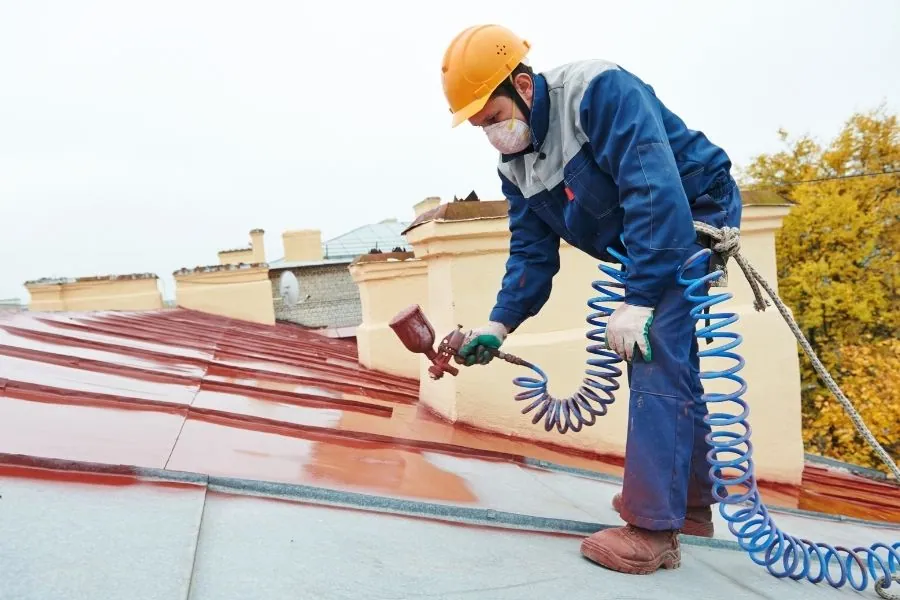
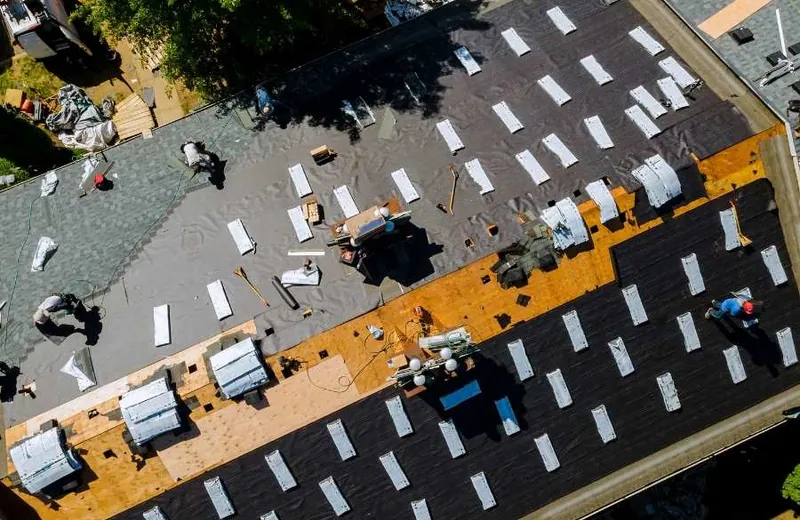
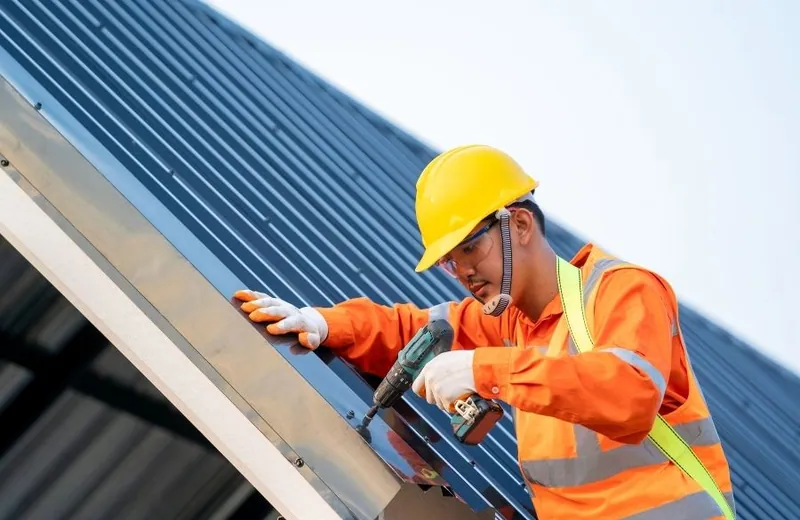
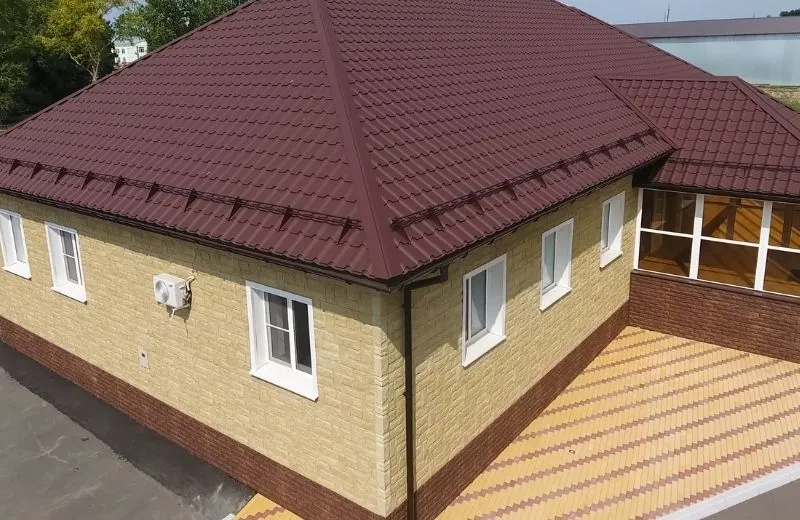
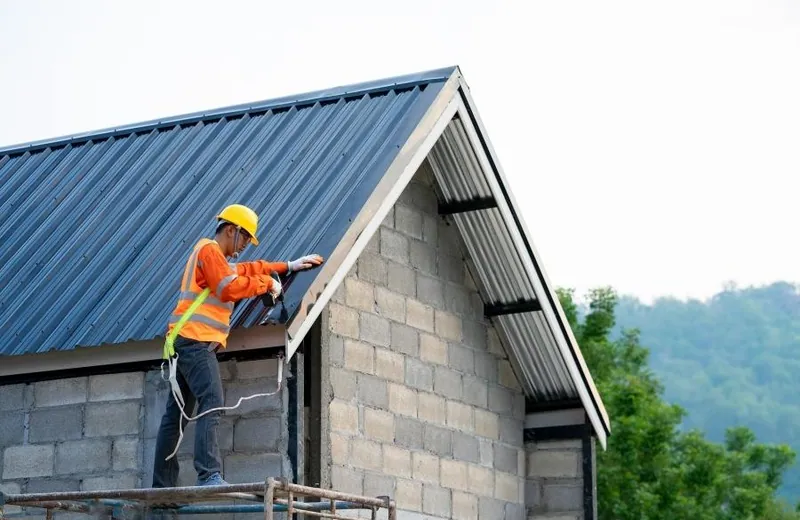
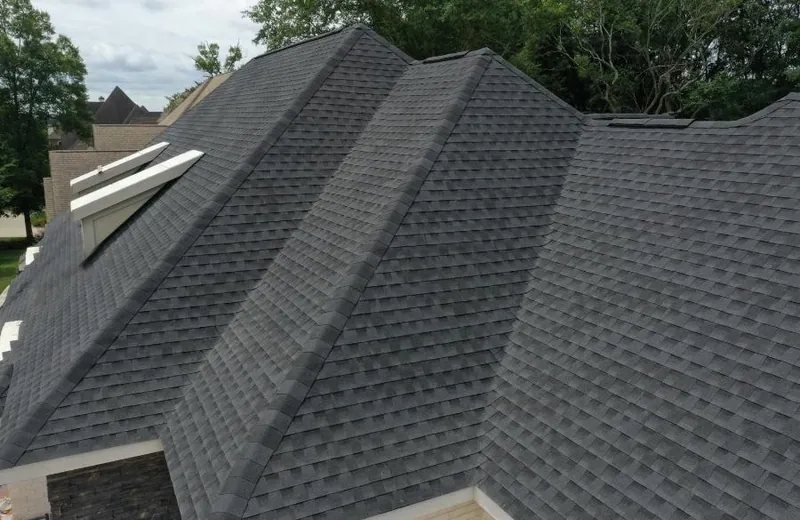
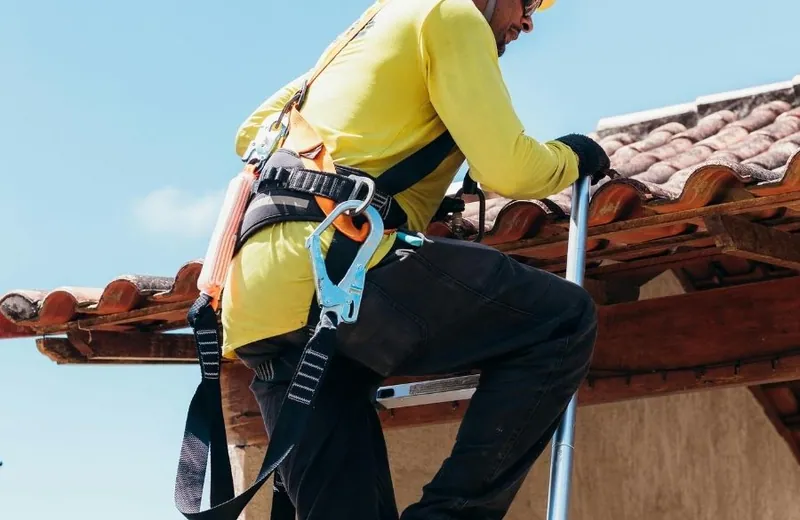
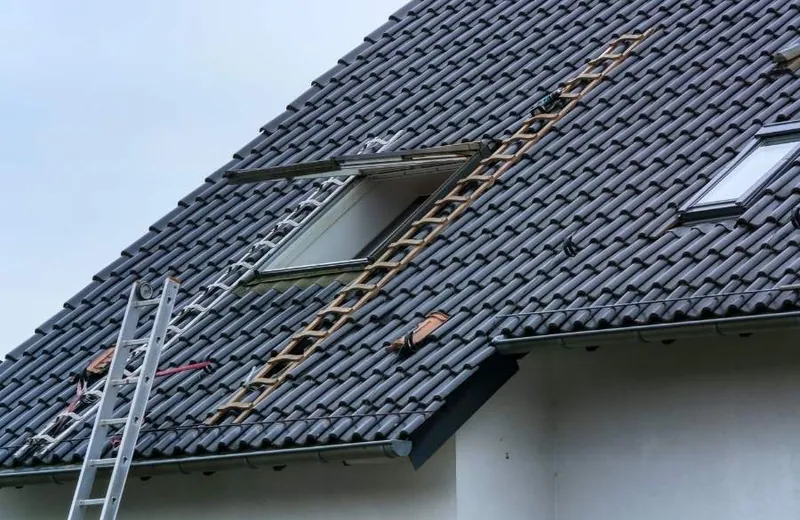
Recent roofing Projects in Brea, CA
Brea Roofing Questions, Answered
How much does a new roof cost in Brea?
Most full re-roofs in Brea run between about $15,000 and $38,000. Large two-story homes, fire-zone upgrades, and jobs with solar removal and reinstall can go to $65,000 or more. An asphalt shingle replacement on a typical mid-century ranch home usually falls in the $15,000 to $26,000 range. A tile lift-and-relay with new underlayment often costs $20,000 to $38,000. The biggest factors are material, roof complexity, decking condition and access. We provide a free, itemized written estimate, and financing is available to help spread out the cost.
My tile roof looks fine. Why would it need work?
Concrete tile can last 50 years or more, but it isn't the waterproof layer. The felt underneath is, and in Brea's heat it usually wears out after 20 to 30 years. Many tile roofs in Brea Hills, Country Hills and Glenbrook are now 30 to 45 years old. After months without rain, the first heavy storm reveals leaks that were developing all along. We lift a few tiles during inspection so you can see the felt condition yourself. If it's brittle or torn, a lift-and-relay replaces it while reusing your tile.
Do I need a permit to replace my roof in Brea?
Yes. The City of Brea Building & Safety Division requires a permit for re-roofing and for structural roof repairs. Inspections usually happen at the sheathing or nailing stage and at final. Replacing more than half of a steep-slope roof also triggers Title 24 cool-roof requirements and energy compliance forms. If you're in an HOA like Olinda Ranch, Blackstone or Tonner Hills, you'll likely need architectural approval too. We handle permit applications and help prepare HOA submittals so your project stays compliant.
How long does a roof replacement take?
Most residential re-roofs in Brea take 2 to 7 working days once work starts. Simple shingle roofs are on the shorter end, and large tile lift-and-relay projects or homes with solar take longer. Before that, permit processing and HOA review can take anywhere from about one to four weeks. Most repairs take a single day. We watch rain forecasts closely during the November to March wet season and never leave a roof open when a storm is coming.
When should I call a roofer instead of waiting?
Call right away if water is coming in, if Santa Ana winds have left shingles or tiles in your yard, or if a tree limb has hit the roof. Those are emergencies. Schedule an inspection soon if you notice ceiling stains, cracked tiles around solar panels, sagging spots, or granules in your gutters, or if your tile roof is over 25 years old. The best time for non-emergency work in Brea is late summer to early fall, before the winter rush and storm backlog.
How can I prevent roof leaks and damage?
Get your roof inspected and maintained every year, ideally in early fall. Have valleys and gutters cleared of sycamore, eucalyptus and pine debris, and have slipped or cracked tiles reset before the rains. Keep people from walking on tile unnecessarily, and if solar or paint crews will be on the roof, ask about tile protection. Check the roof after strong Santa Ana winds or any earthquake. In fire zones, clean gutters, ember-resistant vents and bird stops lower your risk and help with insurance.
I live in Carbon Canyon. What fire-safety roof upgrades do I need?
Carbon Canyon, Olinda Village and parts of the northern hills are in Very High Fire Hazard Severity Zones, so re-roofs must meet California's Chapter 7A wildland-urban interface rules. That means a Class A fire-rated roof assembly, bird stops to close open tile ends, ember-resistant vents, and noncombustible gutter protection. With insurers pulling back in high-fire areas, these upgrades can also help you keep coverage or find it. We install them and give you photo documentation to share with your insurer or the FAIR Plan.
Can you work around my solar panels?
Yes. Many Brea homes have solar systems that are 10 to 15 years old, and replacing a roof underneath them means removing the panels and reinstalling them afterward. We coordinate the removal, reinstall and timing, and the related interconnection steps with Southern California Edison, so your system is back up as quickly as possible. We also replace tiles that earlier solar crews cracked, which is a common hidden leak source. Panel work is listed as a separate line item on your estimate.
Serving Brea, CA & Nearby
Get Your Free Brea Roof Quote Before the Next Storm
Don't wait for the first big storm to find your roof's weak spots. Talk with a local Brea roofer about your roof and get honest advice and a clear written quote, with no pressure.
- ✓Free on-site roof assessment with photos
- ✓Detailed, itemized written estimate
- ✓Honest repair-versus-replace recommendation
- ✓Permit, HOA and Title 24 paperwork handled
- ✓Bonded and insured team that respects your home
- ✓Financing available for repairs and replacements
- ✓Thorough cleanup and final walkthrough
⚡ Water coming in now or wind damage after a Santa Ana? Call us for emergency tarping and leak response.
Bonded • Insured